Exploring the Versatile Uses of Sugar Cane Beyond Sugar
Sugar Cane is often connected entirely with sweeteners, yet its applications prolong much beyond. This flexible crop plays a critical function in different sectors, consisting of biofuels and bioplastics. Furthermore, its fibers contribute to sustainable building and construction and textiles. The financial effects of sugar Cane manufacturing even more emphasize its value. As innovations continue to arise, the possibility of sugar Cane to drive eco-friendly and financial improvements becomes increasingly evident. What other shocks does this resistant plant hold?
The Role of Sugar Cane in Biofuels
As countries look for lasting power sources, sugar Cane has actually emerged as a vital gamer in the biofuels industry. This exotic plant is rich in sucrose, which can be fermented to generate ethanol, a sustainable gas alternative to fossil gas. The farming of sugar Cane for biofuel production not only lowers greenhouse gas exhausts but additionally adds to power safety, especially in sugar-producing countries.
Additionally, sugar cane-derived ethanol can be blended with gasoline, enhancing its octane rating and minimizing dependence on non-renewable resources. The by-products of sugar Cane processing, such as bagasse, are valuable for generating electricity, making the entire manufacturing cycle energy-efficient.
Study proceeds to explore innovative approaches for making best use of energy return from sugar cane, strengthening its duty in the shift to cleaner energy services. As international demand for lasting gas boosts, sugar Cane stands out as an integral part of the biofuel industry.
Sugar Cane as a Source of Bioplastics
The environmental effects of plastic contamination are significantly concerning, sugar Cane uses an encouraging option as a resource of bioplastics. Originated from sustainable sources, bioplastics made from sugar Cane can considerably lower reliance on petroleum-based plastics. These bioplastics are generated with the fermentation of sugars drawn out from the walking stick, leading to products that can be biodegradable or compostable, depending on their formulation.
Making use of sugar Cane bioplastics not just diminishes carbon exhausts yet additionally advertises lasting agricultural methods. By using agricultural waste and by-products, the general ecological impact of manufacturing is minimized. Additionally, products made from sugar Cane bioplastics can flawlessly integrate right into existing waste management systems, dealing with worries concerning waste buildup.
As industries seek sustainable solutions, sugar cane-based bioplastics stand for a viable option that lines up with worldwide efforts to combat plastic air pollution and promote a circular economy.
Medicinal Applications of Sugar Walking Cane
Sugar Cane is identified for its antioxidant buildings, which add to numerous health benefits. In addition, it has been made use of in conventional solutions across societies, highlighting its relevance in all-natural medication. These characteristics emphasize the potential of sugar Cane in the field of medical applications.
Antioxidant Characteristics of Walking Cane
Numerous research studies have actually disclosed that sugar Cane possesses considerable antioxidant properties, making it a useful part in medical applications. The phenolic compounds found in sugar walking cane, such as flavonoids and phenolic acids, contribute to its ability to reduce the effects of cost-free radicals, thereby decreasing oxidative stress and anxiety in the body. This antioxidant task is linked to various health benefits, including enhanced cardio health and wellness and boosted immune function. Furthermore, sugar Cane essences have actually been revealed to display anti-inflammatory effects, which can additionally sustain total wellness. By combating oxidative damages, sugar Cane might contribute in the avoidance of persistent conditions, making it an appealing topic of research study for its possible healing usages in modern-day medication.
Typical Remedies and Uses
While modern medicine commonly counts on artificial substances, standard treatments utilizing sugar Cane highlight its historical relevance in numerous societies. In numerous tropical areas, sugar Cane juice has actually been utilized as a natural remedy for disorders such as dehydration and digestive system problems. Its high water content and important nutrients make it a favored therapy for urinary system tract infections and kidney rocks. In addition, sugar Cane is believed to possess anti-inflammatory homes, aiding in the alleviation of respiratory system conditions and aching throats. People medication commonly integrates sugar Cane in concoctions to enhance energy and boost general well-being. These old-time practices emphasize the adaptability of sugar cane, expanding its value past sweetness to incorporate health and wellness applications.
Eco-Friendly Construction Products From Sugar Cane
Sugar walking cane, typically recognized for its wonderful yield, is acquiring focus as a source of green building products. These materials use lasting building options, featuring naturally degradable compounds that decrease ecological influence. Additionally, sugar cane-derived items provide efficient insulation residential or commercial properties, boosting power efficiency in structures.
Lasting Structure Solutions
As the global demand for lasting building and address construction materials rises, cutting-edge solutions acquired from sugar Cane have become a feasible alternative. This sustainable source offers numerous applications in eco-friendly building options, especially via its byproducts. Sugar Cane fibers, known for their strength and durability, can be utilized in producing insulation materials and composite panels. Furthermore, the juice and molasses from sugar Cane can be processed into bio-based adhesives, reducing reliance on petroleum-based products. Using sugar Cane not only minimizes waste but also adds to lower carbon emissions during production. Moreover, incorporating these materials right into building and construction techniques sustains the round economic situation, advertising sustainability while resolving the pushing ecological obstacles encountered by the building and construction sector.
Eco-friendly Compound Materials
Biodegradable composite products have actually gathered attention as lasting Visit Website options in construction, specifically those originated from sugar walking stick. These materials make use of the fibrous by-products of sugar walking stick, such as bagasse, to produce compounds that are both strong and light-weight. By including these all-natural fibers, producers can generate materials that reduce reliance on non-renewable resources and standard plastics. The sustainable nature of sugar Cane compounds not only decreases environmental influence however also supports farming economic climates by giving extra earnings streams for farmers. Additionally, the biodegradability of these compounds guarantees that they do not add to lasting waste in landfills. As the building and construction sector seeks greener options, sugar cane-derived compounds present an encouraging course toward a lot more environment-friendly building methods.

Insulation Characteristics and Perks
The insulation buildings of eco-friendly building materials originated from sugar Cane offer significant advantages in energy efficiency and climate control. Sugar Cane fibers possess natural insulating qualities that help regulate interior temperature levels, lowering the demand for too much heating or cooling. This characteristic adds to reduce energy consumption, promoting sustainability in structure techniques. In enhancement, using sugar cane-based insulation products is helpful for interior air high quality, as they are less likely to give off unstable organic substances (VOCs) contrasted to traditional insulation products. Moreover, these materials are naturally degradable, lining up with eco-conscious building goals. As the building and construction market seeks greener options, sugar cane-derived insulation stands apart as a promising solution that incorporates capability with ecological responsibility, sustaining both energy cost savings and eco-friendly conservation.
Sugar Cane in the Fabric Market
Commonly neglected, sugar Cane plays a substantial role in the fabric industry, mostly through the production of lasting fibers. These fibers, stemmed from the plant's results, are increasingly identified for their environment-friendly buildings. Sugar Cane fibers, such as bagasse and sisal, are long lasting and eco-friendly, making them appealing choices to conventional synthetic fibers.
Their usage in fabrics promotes sustainability by decreasing dependence on petroleum-based products while also supplying a method for waste decrease from sugar production. Furthermore, advancements in fabric handling have allowed suppliers to blend sugar Cane fibers with other products, boosting the general quality and convenience of materials.
This change towards including sugar Cane in textiles shows a more comprehensive pattern in the sector, intending for environmentally responsible methods. As demand for lasting products proceeds to increase, sugar walking cane's duty in fabrics might expand, offering both ecological and economic benefits.
Nutritional Perks and Animal Feed
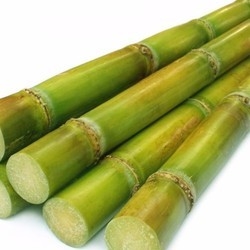
In addition, sugar Cane includes essential minerals and vitamins that boost the nutritional account of animal feed, boosting immunity and overall well-being. Its pleasant preference and palatability make it an appealing feed choice, motivating feed intake amongst animals. By incorporating sugar Cane into their diet regimens, livestock producers can lower dependence on standard feed sources, potentially decreasing feed prices while keeping pet wellness and performance. Sugar Cane arises as a nutritious and sustainable choice in the field of animal farming.
Area The Economic Effect of Sugar Cane Production
While lots of farming commodities add to local economic climates, sugar Cane production attracts attention as a result of its substantial economic impact throughout various areas. This functional plant not only supplies employment possibility in distribution, farming, and processing yet likewise supports ancillary industries such as transportation and production. In countries like Brazil and India, sugar Cane is an important chauffeur of rural development, website here cultivating economic security and boosting resources.
The byproducts of sugar walking cane, including ethanol and molasses, even more branch out earnings streams, minimizing and developing additional markets dependency on conventional sweeteners - What Is Sugar Cane Used For. Furthermore, as international need for eco-friendly power rises, the role of sugar Cane in biofuel manufacturing is becoming significantly famous, drawing in financial investments and increasing neighborhood economic situations. In general, the economic implications of sugar Cane manufacturing are profound, affecting both neighborhood task markets and broader economic trends in regions reliant on this vital crop
Often Asked Questions
Just How Is Sugar Cane Processed Into Biofuels?
The processing of sugar Cane right into biofuels involves removing juice, fermenting it into ethanol, and improving the product. This technique harnesses the plant's all-natural sugars, transforming them into eco-friendly power resources for various applications.
What Are the Environmental Advantages of Utilizing Sugar Walking Cane?
The environmental advantages of using sugar Cane include minimized greenhouse gas emissions, enhanced dirt health with lasting farming methods, and reduced dependence on nonrenewable fuel sources, which jointly add to a much more lasting and environment-friendly farming system.
Can Sugar Cane Be Grown in Any Climate?

Sugar Cane grows in exotic and subtropical climates, needing warm temperatures, sufficient sunshine, and enough rains. Its development is restricted in cooler areas, making it improper for arctic or warm climates where frost occurs.
What Are the Historical Usages of Sugar Walking Cane?
Historically, sugar Cane offered different functions beyond sweetening - What Is Sugar Cane Used For. It was used for producing rum, as a resource of biofuel, in typical medication, and for crafting products like paper and molasses, showcasing its varied applications throughout different cultures
How Does Sugar Cane Impact Citizen Economies?
The effect of sugar Cane on regional economic climates is considerable, supplying employment, increasing agricultural sectors, and fostering trade. Its growing sustains country incomes and stimulates neighborhood markets, adding to overall financial growth and community growth.
The economic implications of sugar Cane manufacturing even more underscore its value. Derived from eco-friendly resources, bioplastics made from sugar Cane can greatly lower reliance on petroleum-based plastics. Eco-friendly composite materials have actually gathered focus as lasting alternatives in construction, specifically those obtained from sugar cane. These products utilize the coarse byproducts of sugar walking cane, such as bagasse, to create compounds that are both strong and light-weight. While several agricultural assets contribute to regional economic situations, sugar Cane production stands out due to its substantial economic effect throughout numerous regions.